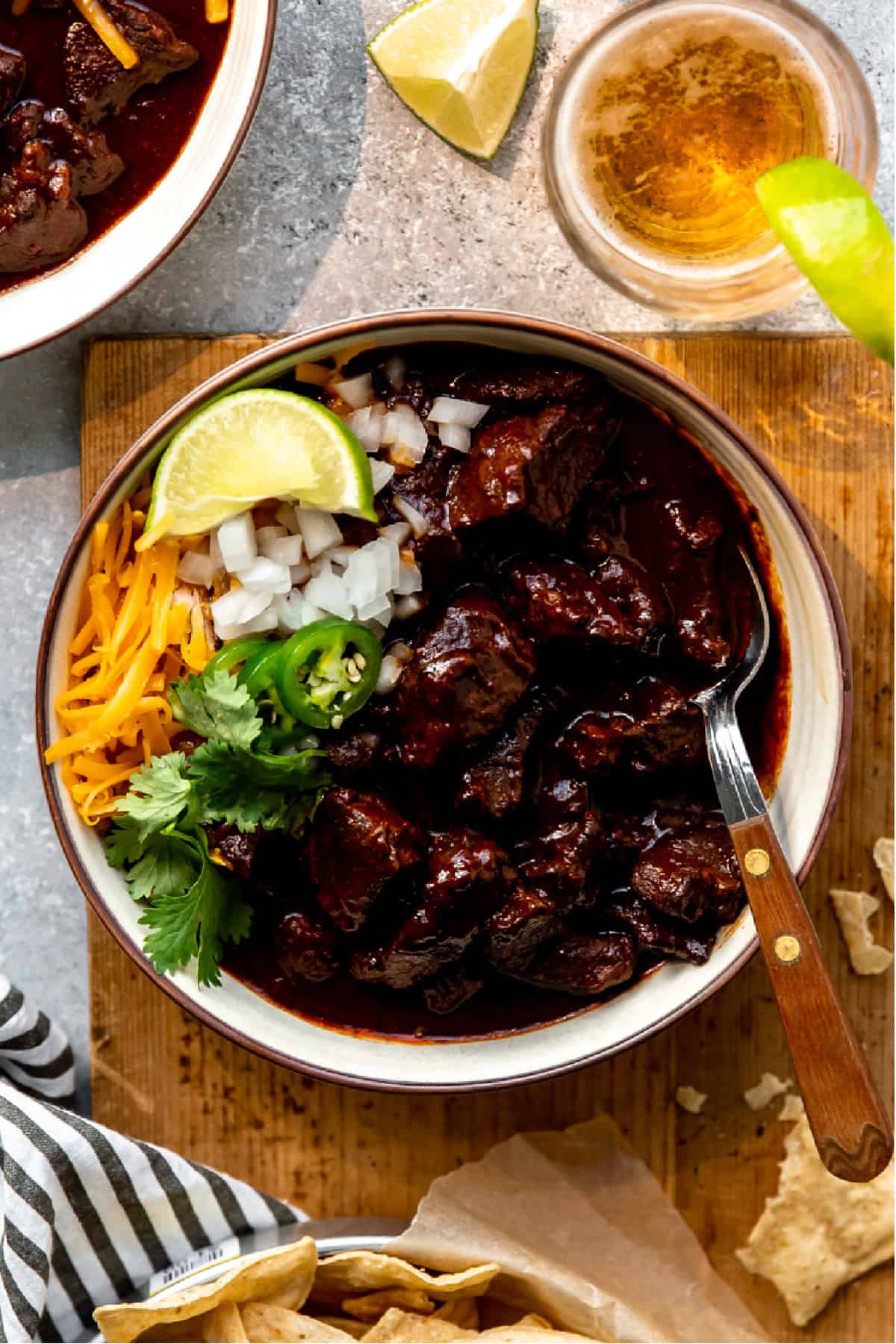
The Heart of Texas: Crafting Authentic Texas Chili Con Carne
There's a reason Texas chili con carne isn't just a dish; it's a way of life, a culinary institution deeply woven into the fabric of the Lone Star State. From chilly autumn evenings to festive Halloween gatherings and large family feasts, a steaming bowl of chili signifies comfort, community, and tradition. For many, like myself, who grew up in places like Texarkana, Texas, the aroma of chili simmering on the stove was a reliable signal that the weekend had arrived, a harbinger of good times and cherished memories.
Yet, beyond the nostalgic warmth, lies a serious art form. A truly great, traditional Texas chili isn't about throwing together a multitude of ingredients or seeking shortcuts. It’s a testament to quiet restraint, unwavering patience, and a profound respect for the true star of the show: the beef. Every meticulous step, from painstakingly crafting the chili sauce to perfectly browning the meat, contributes to a symphony of flavors that elevate a simple dish into an award-winning masterpiece. This attention to detail isn't just about cooking; it's about honoring a legacy, a culinary journey that can, as I discovered at a Big Sur chili cook-off, even lead to first place against formidable competition. That win wasn't just a trophy; it was a deeply satisfying confirmation that years of developing, tasting, and trusting instincts were absolutely worth it.
The Soul of the Sauce: Mastering Dried Chiles for Unparalleled Flavor
The undisputed backbone of any authentic texas chili con carne is a meticulously homemade sauce derived from dried chiles. This crucial step is where the entire flavor profile is established, making it imperative to slow down and execute it flawlessly. Forget the powdered shortcuts; working with whole dried chiles unlocks a depth and complexity that simply cannot be replicated. It’s here that your chili develops its true soul, offering a multi-layered experience that evolves with every spoonful.
The process itself is transformative:
- Toasting the Chiles: Gently toasting dried chiles in a dry pan or on a griddle serves to awaken their dormant oils. This step intensifies their natural smokiness and brings out nutty undertones, laying a robust foundation for the sauce.
- Rehydrating: After toasting, the chiles are rehydrated in hot water or broth until plump and tender. This softens their texture, preparing them for blending while infusing them with moisture.
- Blending: The rehydrated chiles are then blended into a smooth, velvety sauce. This creates a base that is smoky, rich, and deeply savory, far surpassing the one-dimensional flavor of pre-ground chili powder.
This approach grants you unparalleled control over the chili's heat, bitterness, and sweetness. Unlike relying solely on a single chili powder, an array of dried chiles provides incredible subtlety and complexity. You can tailor your selection to highlight specific flavor notes:
- Ancho Chiles: Offering a warm, sweet, and slightly fruity profile with mild heat. They are dried poblano peppers.
- Guajillo Chiles: Providing bright, tangy, and fruity notes, often described as having hints of green tea, with medium heat.
- Pasilla Chiles: Known for their smoky, earthy, and slightly bitter characteristics, with a deeper, richer flavor and moderate heat.
By experimenting with these and other varieties like arbol for a fiery kick, you can craft a unique chili every time. This personalized touch ensures that each pot of cook-off winning texas chili is a fresh and exciting culinary adventure.
The Art of Browning Beef: Unlocking Umami in Texas Chili
If the chile sauce is the soul, then the beef is undoubtedly the heart and muscle of texas chili con carne. And when it comes to the beef, there is one non-negotiable step: DO NOT SKIP BROWNING THE BEEF. This isn't merely a suggestion; it's a cardinal rule for achieving profound flavor. Since authentic Texas chili famously eschews beans, the beef must carry the weight of the dish, and proper browning is the key to unlocking its full potential.
The magic behind browning lies in the Maillard reaction—a complex chemical process that occurs when amino acids and reducing sugars react under heat, creating hundreds of new flavor compounds. This reaction is responsible for the rich, savory, and often nutty aromas and flavors we associate with perfectly seared meats.
Here’s how to master it:
- High Heat is Key: Use a large, heavy-bottomed pot or Dutch oven and get it hot before adding the beef.
- Don't Overcrowd: Work in batches if necessary. Overcrowding the pan will lower the temperature, causing the beef to steam rather than brown, leading to grey, less flavorful meat.
- Achieve a Deep Crust: Allow the beef to develop a deep, dark brown crust on all sides. Resist the urge to stir constantly. Let it sit undisturbed for a few minutes on each side to maximize contact with the hot surface.
- Deglaze for Flavor: Once the beef is browned, you'll notice flavorful fond (browned bits) stuck to the bottom of the pot. Deglaze with a splash of broth, water, or even a little beer, scraping up these bits. This concentrated flavor will integrate beautifully into your chili sauce, adding another layer of depth.
Whether you opt for diced chuck roast, which breaks down into tender morsels during a long simmer, or high-quality ground beef, the principle remains the same. The flavor compounds created during browning are essential for the savory depth and robust character that defines true Texas chili. Without this step, your chili will lack the fundamental umami foundation that makes it truly exceptional.
Subtle Spices, Profound Impact: The Quiet Power of White Pepper
In a dish celebrated for its robust flavors, it's often the subtle, unexpected details that make all the difference. One such "quiet detail" in my cook-off-winning texas chili con carne recipe is the intentional use of white pepper, in addition to black pepper. While black pepper is excellent for seasoning the beef, white pepper plays a unique and transformative role in the chili sauce itself.
Here's why white pepper is a game-changer:
- Softer, Earthier Heat: Unlike the sharp, sometimes pungent heat of black pepper, white pepper offers a softer, more mellow warmth. It possesses a slightly earthy, even subtly fermented quality that complements the rich chile flavors without competing with them.
- Seamless Blending: White pepper integrates seamlessly into the chile sauce. Its flavor doesn't sit "on top" of the other ingredients but rather melds within them, creating a more cohesive and complex flavor profile. This is particularly important in a dish that simmers for hours, where subtlety and depth are prized.
- Enhanced Complexity: In long-simmered dishes, the nuances of white pepper shine through, adding layers of flavor that contribute to a truly sophisticated chili experience. It helps to round out the overall taste, making the chili feel more polished and complete.
While not every traditional Texas chili recipe calls for white pepper, once you've experienced its profound yet understated impact, it’s hard to go back. It's a testament to how small, thoughtful additions can elevate a dish from good to extraordinary, proving that true mastery often lies in the details.
Beyond the Basics: Tips for Your Best Texas Chili Con Carne
Mastering authentic texas chili con carne is a journey of patience and respect for ingredients. Here are a few final tips to ensure your pot is truly spectacular:
- Long, Slow Simmer: After all the careful preparation of your chile sauce and browned beef, allow your chili to simmer slowly for at least 2-3 hours, and ideally longer. This extended cooking time allows the flavors to meld, deepen, and concentrate, transforming individual ingredients into a harmonious, complex whole.
- Rest for Better Flavor: Just like a fine stew, chili often tastes even better the next day. The flavors continue to develop and integrate as it rests. Consider making your chili a day in advance for an even more profound experience.
- Embrace the "No Beans" Ethos: Traditional Texas chili is defined by the absence of beans. This isn't a mere preference; it's a fundamental aspect that elevates the beef and chile to their rightful star status. For a deeper dive into this debate and its significance, explore our article: Texas Chili Con Carne: Why No Beans is Key to Cook-Off Wins.
- Aromatics, But with Restraint: While the focus is on beef and chiles, aromatics like onion and garlic provide a crucial foundational layer. Sauté them until softened and fragrant before adding your chile sauce, but resist the urge to add an overwhelming amount of other vegetables or spices that could detract from the core flavors.
- Taste and Adjust: Trust your palate. Taste your chili throughout the simmering process. Adjust seasoning, a pinch more salt, a dash of cumin (used sparingly in Texas chili), or a touch of acidity if needed. Remember, balance is key.
Crafting authentic Texas chili con carne is more than just following a recipe; it's an immersive culinary experience. It teaches patience, rewards attention to detail, and ultimately delivers a dish that embodies the rich culinary heritage of Texas. By focusing on homemade dried chile sauce, meticulously browning your beef, and appreciating the subtle contributions of spices like white pepper, you'll unlock flavors that can truly earn you bragging rights, whether at a casual dinner or a competitive cook-off. So roll up your sleeves, embrace the process, and prepare to create a pot of chili that’s truly unforgettable.
