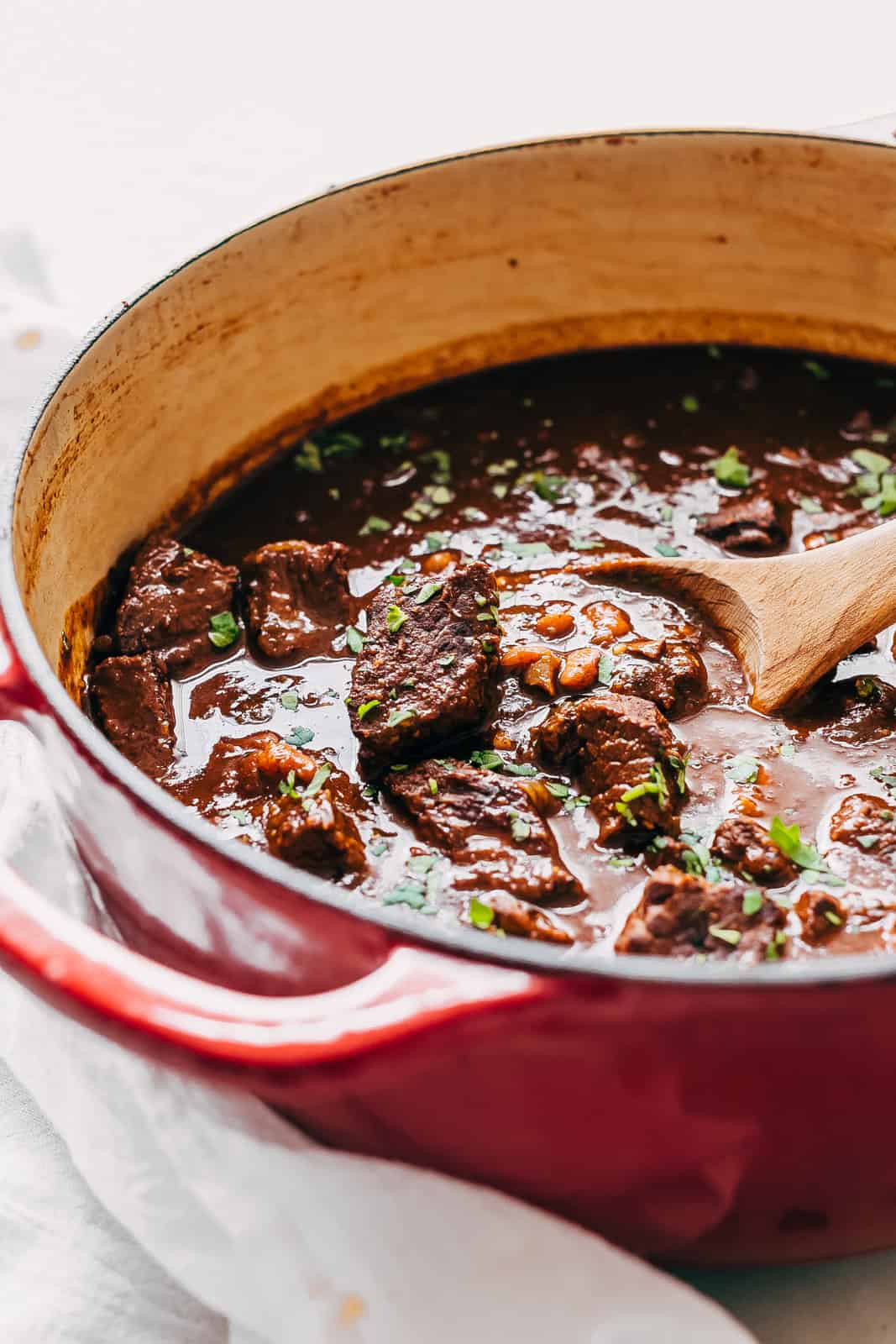
In the culinary landscape of Texas, few dishes command as much reverence and passion as chili con carne. But not just any chili – we're talking about authentic, unadulterated Texas Chili Con Carne, a dish where the absence of one particular ingredient isn't just a preference, but a sacred rule: no beans. This isn't mere dogma; it's a foundational principle that elevates Texas chili from a simple stew to a championship contender, consistently securing cook-off wins and cementing its legendary status. From Texarkana tables where chili signaled the weekend's arrival, to competitive arenas where confident chefs vie for top honors, the secret to truly great Texas chili lies in its unapologetic focus on beef and an expertly crafted chile sauce, unburdened by fillers.
The Unwavering Philosophy of Texas Chili: Beef is King
For Texans, chili is more than just comfort food; it’s a cultural touchstone, a culinary identifier steeped in tradition. This deep connection fosters a profound philosophy about its preparation. True Texas Chili Con Carne embraces a quiet restraint, a patience that honors the star of the show: the beef. It’s not about adding a multitude of ingredients or taking shortcuts; it's about making every single step count, ensuring that the beef's rich, savory essence is the undisputed protagonist.
When you strip away common additions like beans, the spotlight falls squarely on the quality of the meat and the mastery of its preparation. This purist approach demands attention to detail that might seem excessive to the uninitiated, but it’s precisely this rigor that yields a truly exceptional bowl. Whether it's the meticulous browning of the beef to unlock deep, complex flavors or the slow simmer that transforms tough cuts into fork-tender morsels, every decision serves to amplify the beef's natural goodness. Without beans to provide bulk or texture, the beef must stand on its own, delivering a robust, satisfying chew and an unparalleled richness that defines authentic Texas chili.
Crafting the Soul: The Art of the Dried Chile Sauce
Beyond the beef, the very soul of authentic Texas Chili is its homemade sauce, painstakingly built from an array of dried chiles. This isn't a task to rush; it's where the chili's entire flavor profile is established, offering a depth and nuance that pre-packaged chili powder simply cannot replicate. The process begins with carefully toasting the dried chiles – a crucial step that awakens their latent oils, intensifying their smoky aromas and complex flavors. Following this, the chiles are rehydrated, softening their texture, before being blended into a velvety, rich, and deeply savory sauce.
This method grants the cook unparalleled control over the chili’s heat, bitterness, and inherent sweetness. By selecting a variety of chiles, you can tailor the flavor profile to your exact preference. For instance, Ancho chiles contribute a warm, sweet, and fruity undertone, while Guajillos offer a bright, tangy, and somewhat berry-like note. Pasilla chiles introduce a smoky, earthy depth that grounds the entire blend. The blend becomes the foundation, a complex tapestry of flavors that infuses every bite. This layering of distinct chile flavors creates a dynamism and subtlety that store-bought powders, often made from a single type of chile, simply cannot match. It ensures that each pot of Texas Chili Con Carne is unique, a reflection of the chef's personal touch and expertise.
An often-overlooked secret ingredient in crafting this nuanced sauce is white pepper. While black pepper is often used for seasoning the beef, white pepper, when incorporated into the chile sauce, offers a softer, more subtle heat and a distinct earthy, slightly fermented quality. Unlike black pepper, which can sometimes sit on top of the flavors, white pepper blends seamlessly, contributing complexity without overpowering the delicate balance of the chiles. In a dish that simmers for hours, this subtlety makes a profound difference, adding a layer of depth that many competitive chili cooks swear by.
The Maillard Reaction Magic: Browning Your Beef to Perfection
If the beef is king, then browning it properly is the coronation. In a Texas Chili Con Carne recipe, where there are no beans to provide bulk or texture, the significance of perfectly browned beef cannot be overstated. It is, quite simply, non-negotiable. This isn't just about cooking the meat; it's about initiating the Maillard reaction – a complex chemical process that occurs when amino acids and reducing sugars react under heat, creating hundreds of new flavor compounds and giving the beef a deep, savory crust and an irresistible aroma.
To achieve this, patience is paramount. The beef should be seared in small batches, allowing enough space for the moisture to evaporate quickly, preventing the meat from steaming and turning gray. A heavy-bottomed pot or Dutch oven, preheated to a medium-high temperature, is ideal. Many cook-off winning recipes even begin by rendering bacon first, using its flavorful fat to then brown the beef, adding another layer of savory richness. Once browned to a beautiful, dark caramel color, the beef is set aside, leaving behind flavorful fond at the bottom of the pot – a treasure trove of taste that will be scraped up and incorporated into the chile sauce.
Choosing the right cut of beef also plays a critical role. While ground beef can work, many purists and cook-off champions opt for cuts like chuck roast, sirloin, or even brisket, cut into small cubes. These cuts, with their ideal fat-to-meat ratio and connective tissues, break down beautifully during long simmering, yielding tender, melt-in-your-mouth chunks that are packed with flavor. Without the presence of beans, this expertly browned and slowly cooked beef delivers the textural and flavor backbone that defines a championship Texas Chili Con Carne.
Why Beans Are Banned: The Cook-Off Winning Edge
The "no beans" rule in Texas Chili Con Carne isn't an arbitrary whim; it's a strategic advantage that consistently leads to cook-off victories. When judges taste chili, they are looking for a singular, cohesive experience where every element contributes to the overall mastery of the dish. Beans, for all their nutritional value and filling qualities, introduce several challenges that can hinder a chili's competitive edge:
- Purity of Flavor: Beans can dilute the intricate, robust flavors of the beef and the carefully crafted chile sauce. They absorb the precious liquid, potentially muting the very essence that makes authentic Texas Chili so distinct. Cook-off judges prioritize the pure, unadulterated taste of the chili itself.
- Texture Interference: The starchy, sometimes mushy texture of beans can detract from the rich, tender beef and the smooth, complex sauce. A winning chili offers a delightful textural contrast, with the beef taking center stage, not competing with a filler.
- Authenticity and Tradition: For many, adding beans to chili is simply not "Texas chili." Cook-offs, especially those in Texas or sanctioned by chili organizations, often adhere strictly to traditional definitions. Presenting a bean-laden chili can be an immediate disqualifier in the eyes of purist judges.
- Ingredient Focus: The absence of beans forces the cook to elevate every other ingredient. It demands higher quality beef, a more complex chile blend, and meticulous cooking techniques. This intense focus on core components inevitably leads to a superior product.
- Balance and Harmony: Without beans to act as a buffer, the chili’s carefully balanced flavors of spice, savory beef, and aromatic chiles can truly shine. The sauce can cling to the meat, infusing it completely, rather than being soaked up by legumes.
Chili cook-off victories, some reportedly numbering in the dozens for certain recipes, serve as undeniable proof that this purist approach works. It’s a testament to the idea that sometimes, less is indeed more – especially when "less" means a sharper focus on quality, technique, and tradition in every spoonful of Texas Chili Con Carne.
The journey to mastering Texas Chili Con Carne is one of dedication, patience, and a profound respect for its core ingredients. From the artful blending of dried chiles into a soulful sauce and the meticulous browning of the beef, to the unwavering commitment to a bean-free recipe, every step is a deliberate choice made to amplify flavor and honor tradition. This isn't just a matter of culinary preference; it's the very essence of what makes Texas chili a consistent champion in cook-off arenas. So, the next time you embark on making this iconic dish, remember: the key to an unforgettable, award-worthy chili lies in embracing its authentic roots, letting the beef and chiles sing their powerful duet, and confidently leaving the beans on the shelf.
